Episode 16
Some Things I learned from My Crew


Peninsula College, 1997-2007
The Foothills, 3 miles south of Port Angeles
Matthew, Robert and I were taking a lunch break back where we’d parked the College van. We were doing some reconnaissance in The Foothills, south of Port Angeles for a lab exercise I’d developed for one of their classes. The conversation touched on many things, but eventually drifted toward what would await each of them in their post-college life. Matthew, an erstwhile commercial fisherman said something that has stuck with me all these years, because once upon a time I had been in a position similar to his. As he contemplated his PBJ he said, “What I look forward to the most is being able to afford to buy both creamy and chunky peanut butter.”
Sheer profundity. There is something to be said for setting out attainable goals.
Also, there is much a teacher can learn from students.
From the Third Tour with DNR, 2018-2020
Sol Duc Valley, south of Cooper Ranch Road
While traversing in the Sol Duc Valley woods, my new head chain-guy confessed that he’d made a grievous error. We were back in the brush, a half mile from the truck, and he had failed to stock his vest with the steel spikes we use for traverse points. As he and my new gunner discussed options, I took note of the gunner’s response: “This is no one’s fault but our own,” he said, “We are a team. We should check with each other to be sure we’ve got everything we need before we leave the truck”
No one is perfect all of the time, but by remembering to look out for each other, the team’s performance as a whole is improved.
So, what did we do about the spike deficit? First, we took inventory: pulling out the tin box I’ve carried in my vest for 40 years, I found I had an ample supply of hub tacks. Hub tacks are made of steel, and are about 3/4 of an inch long with a sharp, pointy tip and a dished head. They are usually driven into 2x2 wooden stakes, called “hubs” for survey points. We had no 2x2 stakes though. So, I had the fellows fashion some hubs cut from from native materials. We used these improvised stakes and tacks for traverse points, and we continued with our mission. Interesting to note that this old trick was new to both of them. I guess this was the first time either of them had ever run short of supplies in the field. Not the first time for me though.
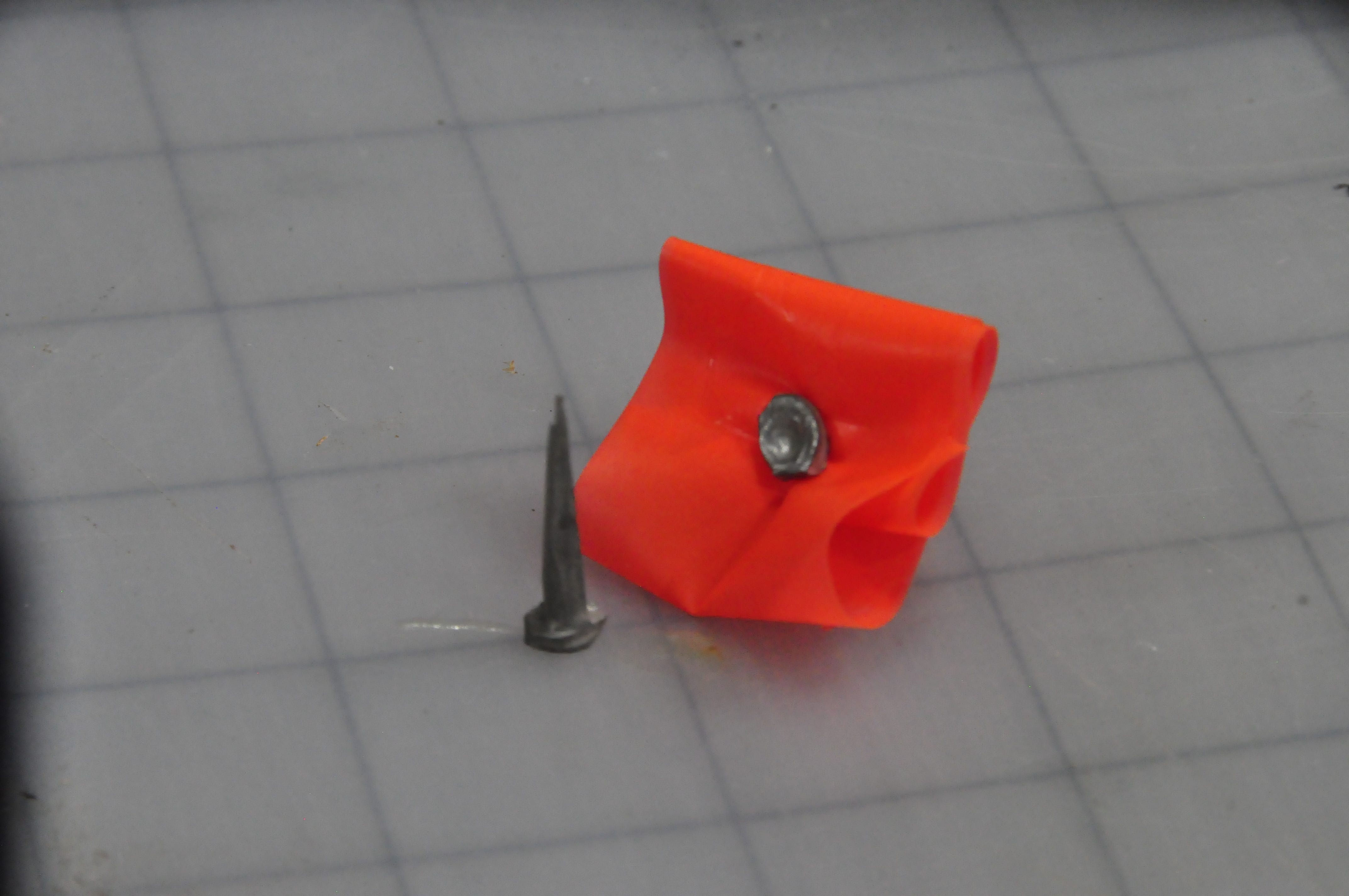
Improvise and overcome!
Smart student! Being able to buy food you want is a wonderful luxury. Many times after errands when I’m restocking the fridge and storage areas, I look at my work and organization, and take comfort in having not just food but the foods we want and a variety to choose from. I never take it for granted.